Buy roulettepredictor.eu ?
We are moving the project
roulettepredictor.eu .
Are you interested in purchasing the domain
roulettepredictor.eu ?
domain@kv-gmbh.de · 0541-91531010
Buy roulettepredictor.eu ?
How do I install additional software on Tails?
To install additional software on Tails, you can use the Tails Software tool. First, open the Tails Software tool from the applications menu. Then, search for the software you want to install and select it from the list. Finally, click on the "Install" button to download and install the software. Keep in mind that Tails is designed to be a secure and private operating system, so not all software may be compatible or available for installation. **
Don't veil tails grow?
No, don't veil tails do not grow. The term "don't veil" is a negation, indicating that the tails in question do not grow. This could refer to a specific type of tail that is either stunted in growth or does not have the ability to grow further. **
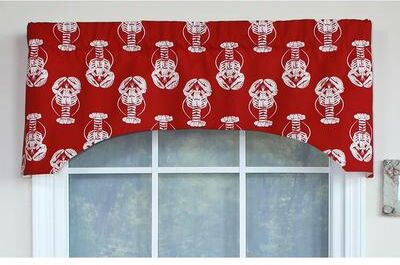
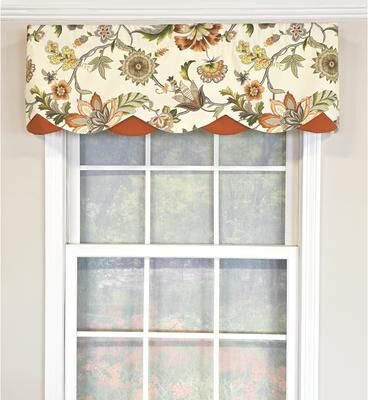
Similar search terms for RLF-Home-Claws-N-Tails-Arch
Top-Angebote
Products related to RLF-Home-Claws-N-Tails-Arch:
-
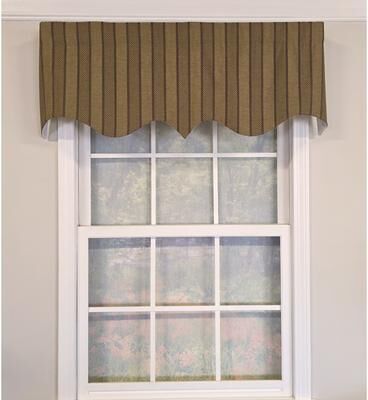
RLF Home Dazzle Regal Valance"RLF Home Dazzle Regal Valance. Fits window up to 48""W. Add multiples for wider windows. Use a 2-1/2"" Continental rod, a regular 3/4"" rod, tension rod or decorative pole no more than 1-3/8"" diameter (NOT INCLUDED)."62,07 $*Shipping: 0,00 $Secure redirect to the provider
-
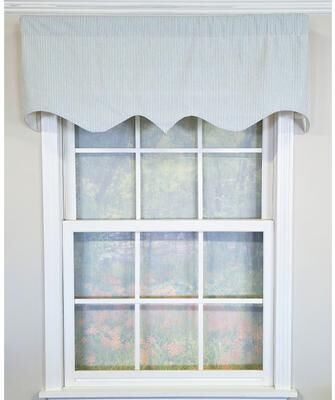
RLF Home Seersucker Regal Valance"RLF Home Seersucker stripe Regal Valance. Fits window up to 48""W. Add multiples for wider windows. Use a 2-1/2"" Continental rod, a regular 3/4"" rod, tension rod or decorative pole no more than 1-3/8"" diameter (NOT INCLUDED)."53,03 $*Shipping: 0,00 $Secure redirect to the provider


-
What exactly is Tails?
Tails is a free and open-source operating system that is designed to provide privacy and anonymity while using the internet. It is a live operating system that can be booted from a USB stick or DVD, allowing users to use it on any computer without leaving a trace of their activities. Tails routes internet traffic through the Tor network to protect users' online privacy and security. It includes various tools for encryption, secure communication, and anonymity. **
-
What are mermaid tails?
Mermaid tails are a type of swimwear designed to resemble the tail of a mermaid. They are typically made of a stretchy, scaly fabric and are designed to be worn over the legs, giving the appearance of a single, fish-like tail. Mermaid tails are popular among swimmers and water enthusiasts who want to add a touch of fantasy and whimsy to their aquatic activities. They are often used for recreational swimming, underwater photography, and mermaid-themed performances. **
-
Are rat tails okay?
Rat tails are a personal choice and can be okay if the individual likes the style and feels confident wearing it. However, it's important to consider the potential social and professional implications of having a rat tail, as it may not be widely accepted in certain environments. Ultimately, it's up to the individual to decide if a rat tail is okay for them. **
-
What is a sorting algorithm in O(log n)?
A sorting algorithm in O(log n) is an algorithm that has a time complexity of O(log n) for sorting a list of n elements. This means that as the size of the input list increases, the time taken to sort the list increases at a logarithmic rate. One example of a sorting algorithm with O(log n) time complexity is the quicksort algorithm, which divides the input list into smaller sublists and recursively sorts them. Another example is the binary tree sort, which uses a binary search tree to sort the elements in O(log n) time. **
Does the pseudocode match the n-step SARSA algorithm?
The pseudocode provided matches the n-step SARSA algorithm. The algorithm uses n-step updates to estimate the action-value function, and the pseudocode reflects this by incorporating the n-step return calculation. Additionally, the pseudocode includes the update step for the action-value function using the n-step return and the TD error, which is a key component of the n-step SARSA algorithm. Therefore, the pseudocode aligns with the n-step SARSA algorithm in terms of its structure and key steps. **
Why do some sheep have long tails and some have short tails?
Some sheep have long tails and some have short tails due to selective breeding and natural selection. In some breeds, such as Merinos, long tails are preferred for their ability to store fat reserves, which can be beneficial in harsh climates or during times of food scarcity. On the other hand, in some regions, sheep with long tails are more susceptible to flystrike, a condition where flies lay eggs in the damp wool around the tail, leading to infection and potential death. As a result, some farmers have selectively bred for sheep with shorter tails to reduce the risk of flystrike. Ultimately, the length of a sheep's tail can be influenced by a combination of environmental factors, breed standards, and human intervention. **
Top-Angebote
Products related to RLF-Home-Claws-N-Tails-Arch:
-
How do I install additional software on Tails?
To install additional software on Tails, you can use the Tails Software tool. First, open the Tails Software tool from the applications menu. Then, search for the software you want to install and select it from the list. Finally, click on the "Install" button to download and install the software. Keep in mind that Tails is designed to be a secure and private operating system, so not all software may be compatible or available for installation. **
-
Don't veil tails grow?
No, don't veil tails do not grow. The term "don't veil" is a negation, indicating that the tails in question do not grow. This could refer to a specific type of tail that is either stunted in growth or does not have the ability to grow further. **
-
What exactly is Tails?
Tails is a free and open-source operating system that is designed to provide privacy and anonymity while using the internet. It is a live operating system that can be booted from a USB stick or DVD, allowing users to use it on any computer without leaving a trace of their activities. Tails routes internet traffic through the Tor network to protect users' online privacy and security. It includes various tools for encryption, secure communication, and anonymity. **
-
What are mermaid tails?
Mermaid tails are a type of swimwear designed to resemble the tail of a mermaid. They are typically made of a stretchy, scaly fabric and are designed to be worn over the legs, giving the appearance of a single, fish-like tail. Mermaid tails are popular among swimmers and water enthusiasts who want to add a touch of fantasy and whimsy to their aquatic activities. They are often used for recreational swimming, underwater photography, and mermaid-themed performances. **
Similar search terms for RLF-Home-Claws-N-Tails-Arch
-
RLF Home Dazzle Regal Valance"RLF Home Dazzle Regal Valance. Fits window up to 48""W. Add multiples for wider windows. Use a 2-1/2"" Continental rod, a regular 3/4"" rod, tension rod or decorative pole no more than 1-3/8"" diameter (NOT INCLUDED)."62,07 $*Shipping: 0,00 $Secure redirect to the provider
-
RLF Home Seersucker Regal Valance"RLF Home Seersucker stripe Regal Valance. Fits window up to 48""W. Add multiples for wider windows. Use a 2-1/2"" Continental rod, a regular 3/4"" rod, tension rod or decorative pole no more than 1-3/8"" diameter (NOT INCLUDED)."53,03 $*Shipping: 0,00 $Secure redirect to the provider
-
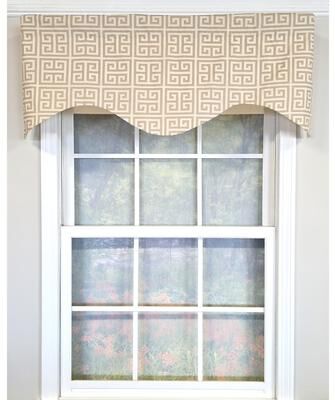
RLF Home Tower Cornice Valance"RLF Home Tower geometric Cornice Valance. Fits window up to 48""W. Add multiples for wider windows. Use a 2-1/2"" Continental rod, a regular 3/4"" rod, tension rod or decorative pole no more than 1-3/8"" diameter (NOT INCLUDED)."62,99 $*Shipping: 0,00 $Secure redirect to the provider
-
RLF Home Bronte Regal Valance"RLF Home Bronte stripe Regal Valance. Fits window up to 48""W. Add multiples for wider windows. Use a 2-1/2"" Continental rod, a regular 3/4"" rod, tension rod or decorative pole no more than 1-3/8"" diameter (NOT INCLUDED)."50,39 $*Shipping: 0,00 $Secure redirect to the provider
-
Are rat tails okay?
Rat tails are a personal choice and can be okay if the individual likes the style and feels confident wearing it. However, it's important to consider the potential social and professional implications of having a rat tail, as it may not be widely accepted in certain environments. Ultimately, it's up to the individual to decide if a rat tail is okay for them. **
-
What is a sorting algorithm in O(log n)?
A sorting algorithm in O(log n) is an algorithm that has a time complexity of O(log n) for sorting a list of n elements. This means that as the size of the input list increases, the time taken to sort the list increases at a logarithmic rate. One example of a sorting algorithm with O(log n) time complexity is the quicksort algorithm, which divides the input list into smaller sublists and recursively sorts them. Another example is the binary tree sort, which uses a binary search tree to sort the elements in O(log n) time. **
-
Does the pseudocode match the n-step SARSA algorithm?
The pseudocode provided matches the n-step SARSA algorithm. The algorithm uses n-step updates to estimate the action-value function, and the pseudocode reflects this by incorporating the n-step return calculation. Additionally, the pseudocode includes the update step for the action-value function using the n-step return and the TD error, which is a key component of the n-step SARSA algorithm. Therefore, the pseudocode aligns with the n-step SARSA algorithm in terms of its structure and key steps. **
-
Why do some sheep have long tails and some have short tails?
Some sheep have long tails and some have short tails due to selective breeding and natural selection. In some breeds, such as Merinos, long tails are preferred for their ability to store fat reserves, which can be beneficial in harsh climates or during times of food scarcity. On the other hand, in some regions, sheep with long tails are more susceptible to flystrike, a condition where flies lay eggs in the damp wool around the tail, leading to infection and potential death. As a result, some farmers have selectively bred for sheep with shorter tails to reduce the risk of flystrike. Ultimately, the length of a sheep's tail can be influenced by a combination of environmental factors, breed standards, and human intervention. **
* All prices are inclusive of VAT and, if applicable, plus shipping costs. The offer information is based on the details provided by the respective shop and is updated through automated processes. Real-time updates do not occur, so deviations can occur in individual cases. ** Note: Parts of this content were created by AI.